
Many custom home problems begin before construction.
Not because the wrong tile was selected. Not because a cabinet detail changed. Not because the homeowner saved too many inspiration photos. The bigger problems usually start earlier, when the project begins in the wrong order.
Many buyers assume the first step is finding a floor plan, hiring an architect, or collecting design ideas online. Those things matter, but they are rarely the true starting point. A custom home should begin with the land, the budget, the lifestyle, and the team that will help determine what is actually possible.
In Prescott, that is especially true. A home in Talking Rock Ranch, Sterling Ranch, Stringfield at Granite Mountain, The Preserve at Inscription Canyon, or American Ranch is not just a plan placed on a lot. The site itself can shape the driveway, garage location, outdoor living, views, grading, utilities, drainage, privacy, and even the basic structure of the home.
That is where many buyers get it wrong. They start with the house they imagine. The better process starts with the realities that will shape it.
A floor plan is useful later. Early in the process, it can also create false confidence.
A plan that looks perfect on paper may not work once it meets a sloped lot, a narrow building envelope, design-review requirements, long utility runs, or a driveway that needs to climb from the road to the homesite. A wide single-level plan may look ideal until the lot says otherwise. A large RV garage may seem easy to add until it changes the grading, rooflines, massing, and arrival sequence.
This is why the earliest planning decisions matter so much.
Before asking, “What should the house look like?” the better questions are:
A custom home project does not start with a drawing. It starts with alignment.
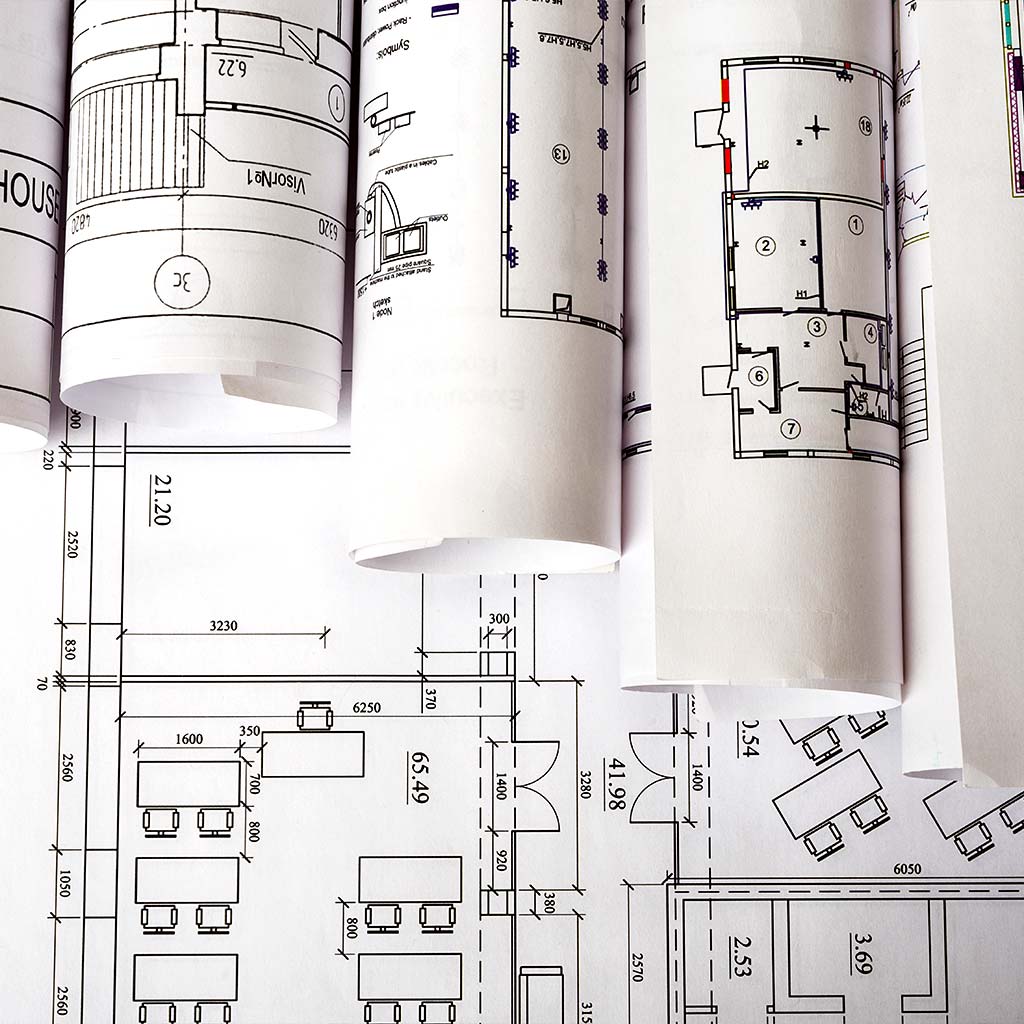
The best custom homes are not designed around rooms. They are designed around the way people live. This sounds simple, but it changes the conversation.
A buyer may start by asking for a certain square footage, then realize the real priority is a larger garage, a more private guest suite, a better pantry, a lower-maintenance exterior, or outdoor space that works during Prescott’s hot afternoons, windy days, and monsoon season.
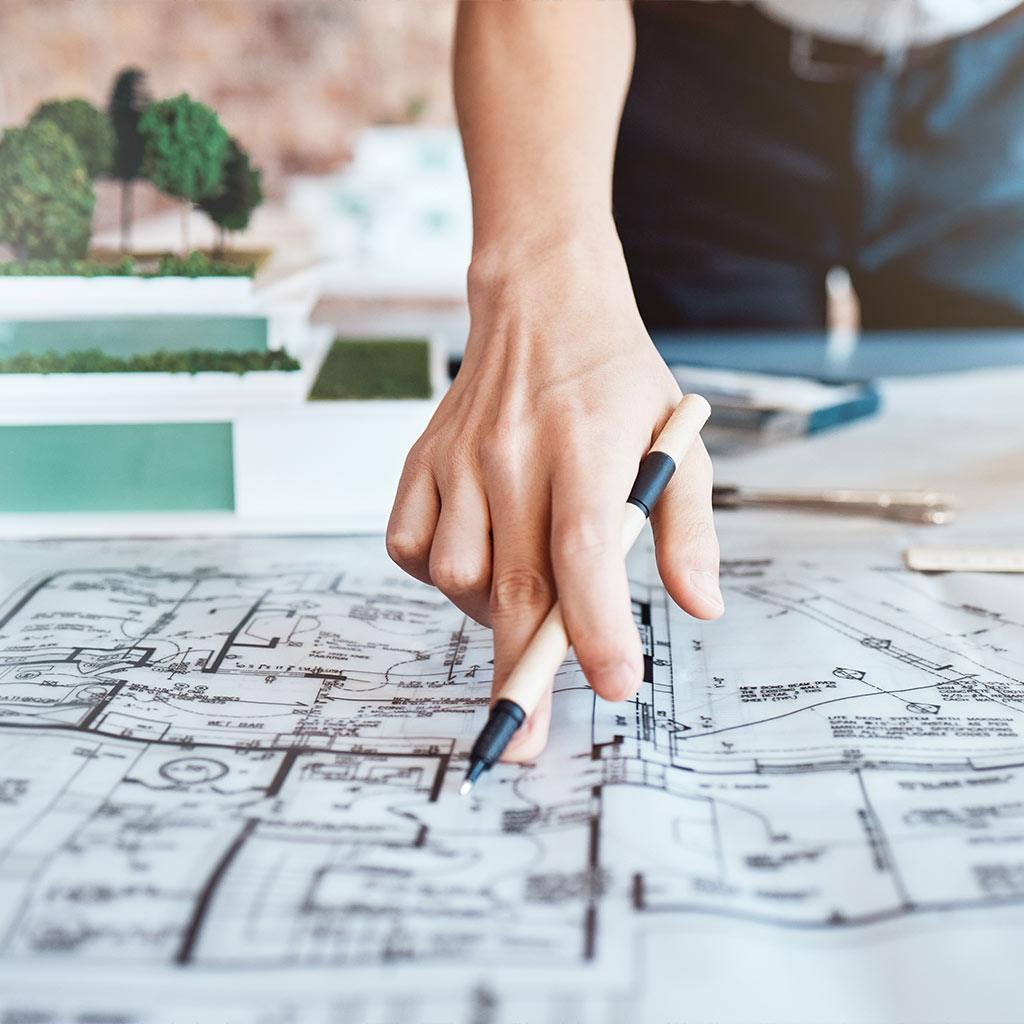
Before design begins, it helps to talk through real-life use:
These answers affect the home more than style photos do.
For example, a guest casita is not just an extra bedroom. It affects privacy, parking, utility planning, outdoor circulation, and how visitors move around the property. An RV garage is not just a bigger garage. It can influence driveway design, roof height, site grading, and how the house sits from the street. A covered patio is not just a lifestyle feature. In Prescott, orientation, sun angle, wind exposure, and drainage can decide whether that space is comfortable or mostly decorative.
A useful design process starts with those realities.
In Prescott-area custom home building, the lot is one of the most important parts of the project.
That is true whether the homesite is in Talking Rock Ranch, Sterling Ranch, Stringfield at Granite Mountain, The Preserve, American Ranch, or another Northern Arizona community. Each property brings its own opportunities and constraints.
A few site factors can change the entire direction of the home:
This is why “site-driven design” matters.
A home on a flatter lot in an established golf community may have a very different planning process than a hillside or acreage property with long views and more complex access. A Stringfield homesite with elevated views may ask for a different approach than a Talking Rock lot near community amenities. A Sterling Ranch property may require more thinking around privacy, grading, detached structures, or how the home arrives on the land.
The goal is not to force a favorite plan onto the property. The goal is to understand what the property is telling you before the plan gets too far along.
Many buyers wait to speak with a builder until after they have plans, which can work, but it can also create expensive redesigns. A builder does not replace the architect. A good builder helps make the design process more grounded from the start. Early builder involvement can help identify the practical realities that are easy to miss when the project is still conceptual.
That may include:
This is especially important in Prescott because the site conditions vary so much from one community to another. Rocky soil, slope, drainage, elevation, freeze-thaw exposure, and long utility runs can affect the project before the foundation is ever poured. The earlier those realities are discussed, the less likely the project is to get designed around assumptions that do not hold up.
Budget is one of the most common places custom home projects lose momentum. Not because buyers are careless, but because early design conversations often focus on the house while underestimating everything around it.
A realistic custom home budget may need to account for:
The structure itself is only part of the investment. A buyer may have a strong budget for the home, then discover that the lot needs more site development than expected. Or the plan may include features that are individually reasonable but collectively push the project beyond the intended range.
The answer is not to strip the home of everything that makes it personal. The answer is to define priorities early.
Those are better conversations to have before the drawings are too developed.
An architect is essential to many custom home projects, but the strongest design work usually happens when the architect is working with real information from the beginning.
That means the lot has been evaluated. The lifestyle goals are clear. The builder has weighed in on feasibility and budget alignment. The major priorities are understood before the design becomes too fixed.
When that happens, the architect can design toward the site instead of guessing around it.
The result is usually a better home: better orientation, better outdoor living, better privacy, better proportions, better relationship to the land, and fewer late-stage compromises.
The order does not have to be rigid. Some buyers already own land. Some come in with an architect. Some need help evaluating lots. Some have a strong design direction but need to understand whether it fits the site and budget.
The important thing is that the lot, builder, architect, budget, and lifestyle goals are not treated as separate conversations.
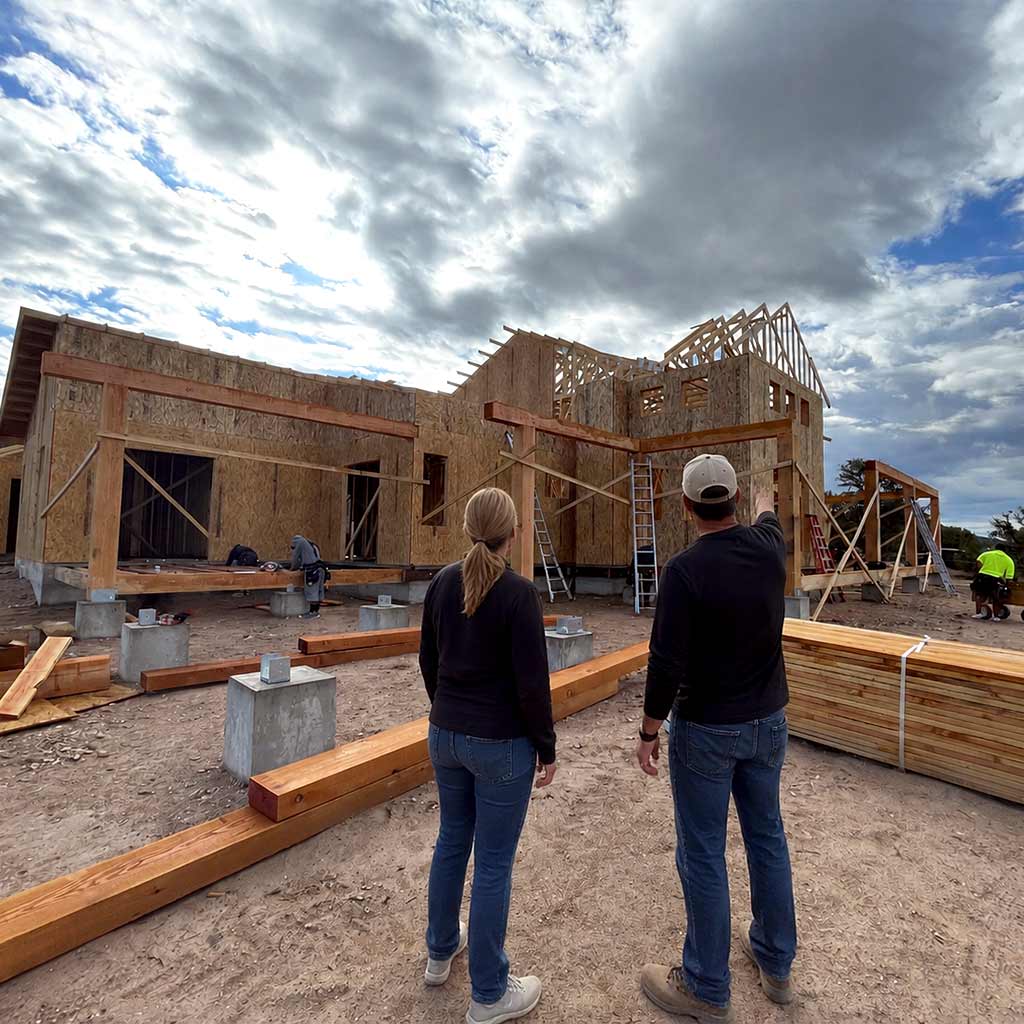
A strong custom home process often starts with a planning phase before the detailed design work begins.
That phase may include:
This is not wasted time. It is what keeps the project from drifting. The planning phase helps answer the questions that will shape the home before the home is drawn too specifically.
Prescott is not a one-size-fits-all building market.
A custom home in Talking Rock Ranch may be shaped by golf, clubhouse access, community standards, and a desire for indoor-outdoor entertaining. A Sterling Ranch home may need to account for acreage, privacy, detached structures, and a more estate-style property plan. A Stringfield at Granite Mountain home may be driven by slope, orientation, and long views. A home in The Preserve at Inscription Canyon may need careful thinking around landscape, outdoor spaces, and how the structure settles into the surrounding terrain.
Even within the same community, two lots can lead to very different homes. That is why generic custom home advice often falls short. It assumes the process is mostly about choosing a plan and finishes. In reality, the best Prescott custom homes are shaped by the land, the owner’s daily life, and the practical decisions that happen before construction begins.
Every project is different, but a stronger starting sequence usually looks like this:
The exact order may shift depending on what the buyer already has in place. But the principle stays the same.
Do not let the floor plan get ahead of the project.
Hughes Building Company has spent more than 30 years building custom homes in the Prescott area. That kind of experience matters most at the beginning of a project, when the decisions still feel flexible but the consequences are already forming.
The early phase is where a builder can help a homeowner think through what the land requires, what the budget supports, what the design needs to solve, and what choices may create problems later.
That is not about rushing into construction. It is about slowing down enough at the beginning to make the rest of the process stronger. A custom home should feel personal, but it should also make sense: for the site, for the budget, for the climate, for the community, and for the way the owner will actually live in it.
If you are considering a custom home in Prescott, Talking Rock Ranch, Sterling Ranch, Stringfield at Granite Mountain, The Preserve, American Ranch, or another Northern Arizona community, the first step is usually not choosing a plan. It is understanding the land, the lifestyle, and the decisions that need to happen before design goes too far.
Hughes Building Company helps homeowners evaluate those early choices so the home can be shaped around the property, the process, and the way it will actually be used.
The first step is usually defining your goals, lifestyle, budget range, and lot requirements. A floor plan should come later, once the land and overall project direction are better understood.
Not always. If you are still evaluating lots, a builder can help identify site conditions that may affect cost, design, access, utilities, grading, and construction feasibility. That input can be valuable before you commit to a property.
It depends on the project, but involving a builder early can help the architect design with better information. The strongest process is usually collaborative, with the homeowner, builder, and architect aligned around the lot, budget, and goals.
Prescott-area lots can vary widely in slope, views, access, drainage, sun exposure, utilities, and design-review requirements. Those factors can affect the home’s layout, orientation, driveway, outdoor living, cost, and construction timeline.
An online plan can be a starting reference, but it should not be treated as final. The plan still needs to be evaluated against the lot, budget, community requirements, and the way you want to live.
Budget should be discussed near the beginning. Waiting too long can lead to plans that are beautiful but misaligned with the full project cost, especially once sitework, utilities, landscaping, outdoor living, and other non-structure costs are included.
The smoothest projects usually start with clear priorities, early site evaluation, realistic budgeting, builder involvement before design goes too far, and a design team that understands the land before committing to the plan.
