
If you’ve started looking seriously at Prescott custom home builders—whether in Talking Rock Ranch, American Ranch, or for your own land—it probably didn’t take long to realize that building here is different. Elevation, weather, soil, and view lines all change quickly from one area to the next, and those details matter. This guide is meant to slow things down a bit and walk you through what to know before you build, so your home feels right for both the land and the way you live.
If you’ve started looking seriously at Prescott custom home builders—whether in Talking Rock Ranch, American Ranch, or for your own land—it probably didn’t take long to realize that building here is different. Elevation, weather, soil, and view lines all change quickly from one area to the next, and those details matter. This guide is meant to slow things down a bit and walk you through what to know before you build, so your home feels right for both the land and the way you live.
Prescott is “high desert” which means it’s a mix of cool mountain air, big temperature swings, high UV exposure, surprise monsoon storms, and granite and clay soils that don’t always behave the way you expect. Hillside lots, pines, and open pasture land can all show up in the same drive.
That mix is part of the charm, but it also means your home can’t be a copy-paste plan pulled from another region or website. The best Prescott custom home builders design for this exact environment; rooflines and overhangs help manage sun and storm exposure; materials are chosen with UV and freeze–thaw cycles in mind; site planning and engineering deals honestly with slopes, drainage, and access instead of trying to fight them.
When you talk with potential builders, it’s worth asking a simple question: “How do you design specifically for the Prescott climate and topography?” The way they answer will tell you a lot about how the finished home will live once it’s exposed to real weather, not just a render on a screen.
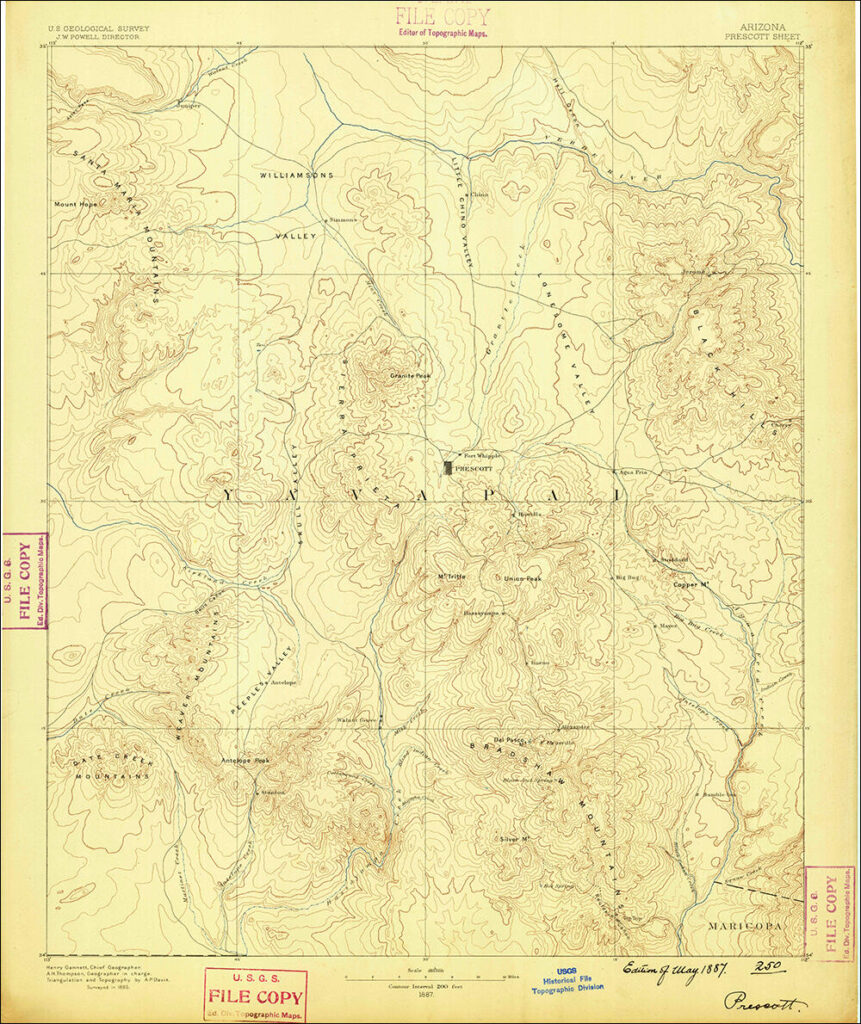
Prescott is “high desert” which means it’s a mix of cool mountain air, big temperature swings, high UV exposure, surprise monsoon storms, and granite and clay soils that don’t always behave the way you expect. Hillside lots, pines, and open pasture land can all show up in the same drive.
That mix is part of the charm, but it also means your home can’t be a copy-paste plan pulled from another region or website. The best Prescott custom home builders design for this exact environment; rooflines and overhangs help manage sun and storm exposure; materials are chosen with UV and freeze–thaw cycles in mind; site planning and engineering deals honestly with slopes, drainage, and access instead of trying to fight them.
When you talk with potential builders, it’s worth asking a simple question: “How do you design specifically for the Prescott climate and topography?” The way they answer will tell you a lot about how the finished home will live once it’s exposed to real weather, not just a render on a screen.
Buying a resale custom home can be faster and, at maybe on paper, cheaper up front; you walk into a finished house, sign, and move in. There’s nothing wrong with that path. But a custom home in Prescott offers things resale almost never can.
With custom home builders, the floor plan can be shaped around how you actually live. Which could mean considerations, like single-level living so stairs aren’t an issue later. Maybe it means a guest suite for family who visits often, or a separate studio space so work doesn’t take over the kitchen table.
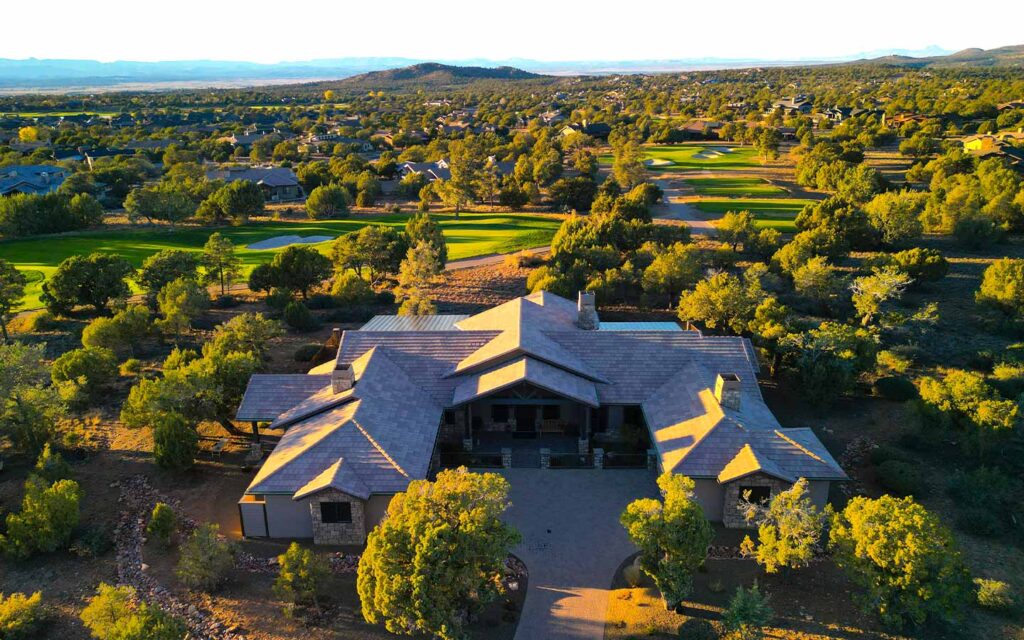
Views become intentional instead of accidental; the way your house opens to Granite Mountain, the golf course, or a stand of old pines is planned from the beginning. Window placement, ceiling height, and even where you stand when you first see the view are all part of the design.
You also get systems you understand and know what’s behind the walls, which products were used, and who to call if you ever have a question. You’re not just buying square footage; you’re buying how the home feels when you walk in after a long day, where the light falls first thing in the morning, and how easily the space adapts as your life changes.
One of the first big decisions is where to build your custom home. There isn’t a single “right” answer, but there are clear differences between building in a planned community and building on private land.
Buying a resale custom home can be faster and, at maybe on paper, cheaper up front; you walk into a finished house, sign, and move in. There’s nothing wrong with that path. But a custom home in Prescott offers things resale almost never can.
With custom home builders, the floor plan can be shaped around how you actually live. Which could mean considerations, like single-level living so stairs aren’t an issue later. Maybe it means a guest suite for family who visits often, or a separate studio space so work doesn’t take over the kitchen table.
Views become intentional instead of accidental; the way your house opens to Granite Mountain, the golf course, or a stand of old pines is planned from the beginning. Window placement, ceiling height, and even where you stand when you first see the view are all part of the design.
You also get systems you understand and know what’s behind the walls, which products were used, and who to call if you ever have a question. You’re not just buying square footage; you’re buying how the home feels when you walk in after a long day, where the light falls first thing in the morning, and how easily the space adapts as your life changes.
One of the first big decisions is where to build your custom home. There isn’t a single “right” answer, but there are clear differences between building in a planned community and building on private land.
Golf and master-planned communities like Talking Rock Ranch, American Ranch, Hassayampa, Prescott Lakes, and others offer a familiar set of benefits: shared amenities, walking trails, clubhouses, and sometimes equestrian facilities. Design review guidelines keep the neighborhood cohesive, and established infrastructure and utilities usually mean fewer surprises on the utility side.
The tradeoff is that you’ll work within HOA design rules and review boards. That isn’t inherently negative; in fact, it often protects long-term value. It does mean you want a builder who knows how to navigate submittals, revisions, and meetings without turning your home into a cookie-cutter copy of the house down the street.
Private acreage or rural parcels feel different from the moment you step out of the truck. There’s more privacy, more distance between neighbors, and often more freedom in terms of how the house sits on the land. You may have room for outbuildings, barns, or future structures that wouldn’t fit in a tighter community.
On the other hand, private land often means well and septic instead of city utilities, longer driveways and access concerns, and more upfront planning for grading, drainage, and fire access. Those aren’t deal-breakers, but they do belong in the budget and timeline conversation.
A good Prescott custom home builder will walk the site with you—whether it’s a community lot or a rural parcel—and talk honestly about what it will take to turn that land into a workable, beautiful home site.
Golf and master-planned communities like Talking Rock Ranch, American Ranch, Hassayampa, Prescott Lakes, and others offer a familiar set of benefits: shared amenities, walking trails, clubhouses, and sometimes equestrian facilities. Design review guidelines keep the neighborhood cohesive, and established infrastructure and utilities usually mean fewer surprises on the utility side.
The tradeoff is that you’ll work within HOA design rules and review boards. That isn’t inherently negative; in fact, it often protects long-term value. It does mean you want a builder who knows how to navigate submittals, revisions, and meetings without turning your home into a cookie-cutter copy of the house down the street.
Private acreage or rural parcels feel different from the moment you step out of the truck. There’s more privacy, more distance between neighbors, and often more freedom in terms of how the house sits on the land. You may have room for outbuildings, barns, or future structures that wouldn’t fit in a tighter community.
On the other hand, private land often means well and septic instead of city utilities, longer driveways and access concerns, and more upfront planning for grading, drainage, and fire access. Those aren’t deal-breakers, but they do belong in the budget and timeline conversation.
A good Prescott custom home builder will walk the site with you—whether it’s a community lot or a rural parcel—and talk honestly about what it will take to turn that land into a workable, beautiful home site.
It’s easy to fall in love with a floor plan, a Pinterest board, or a set of renderings. It’s harder, but much more important, to talk early and honestly about budget and timing.
Design and permitting typically take a few months. You’ll work through floor plans, elevations, structural engineering, and any HOA or design review requirements. After that, construction often runs somewhere between 10 and 16 months, depending on size, complexity, site conditions, and review processes. It’s a long arc, and it helps to know that going in.
Costs are driven by more than just square footage. Site conditions—rock, slope, and access—can influence foundation type and excavation costs. The level of finishes and custom details will nudge the budget up or down. Structural complexity can also move the needle; strong, simple forms tend to be more efficient than highly fragmented designs. Additionally, global markets have had a strong impact of building material costs, especially when factoring the pandemic and tariffs, which can and have led to cost fluctuations between estimating and ordering phases of projects.
You don’t need every choice made to start a conversation. What you do need is a realistic comfort range and a sense of priorities. Where are you flexible? What’s non-negotiable? A local Prescott custom home builder should be willing to meet you in that conversation and sketch a path that fits your life, your land, and your numbers.
When you’re ready for specifics, our Prescott Custom Homes page explains how HBC approaches budget and timeline at each stage—from early concepts to final walkthrough.
Every builder has their own recipe, but most successful projects in Prescott move through four recognizable phases.
It’s easy to fall in love with a floor plan, a Pinterest board, or a set of renderings. It’s harder, but much more important, to talk early and honestly about budget and timing.
Design and permitting typically take a few months. You’ll work through floor plans, elevations, structural engineering, and any HOA or design review requirements. After that, construction often runs somewhere between 10 and 16 months, depending on size, complexity, site conditions, and review processes. It’s a long arc, and it helps to know that going in.
Costs are driven by more than just square footage. Site conditions—rock, slope, and access—can influence foundation type and excavation costs. The level of finishes and custom details will nudge the budget up or down. Structural complexity can also move the needle; strong, simple forms tend to be more efficient than highly fragmented designs. Additionally, global markets have had a strong impact of building material costs, especially when factoring the pandemic and tariffs, which can and have led to cost fluctuations between estimating and ordering phases of projects.
You don’t need every choice made to start a conversation. What you do need is a realistic comfort range and a sense of priorities. Where are you flexible? What’s non-negotiable? A local Prescott custom home builder should be willing to meet you in that conversation and sketch a path that fits your life, your land, and your numbers.
When you’re ready for specifics, our Prescott Custom Homes page explains how HBC approaches budget and timeline at each stage—from early concepts to final walkthrough.
Every builder has their own recipe, but most successful projects in Prescott move through four recognizable phases.
Discovery is where everything starts; your builder learns how you live, who’s in the home, and what “home” means in this season of your life. Then we walk the lot together.
It’s not just a tape-measure exercise. You’re feeling the wind, watching how sun and shade move across the property, and noticing where Granite Mountain or the golf course shows up in your peripheral vision and overally skyline. Early ideas about floor plan, driveway alignment, and outdoor living usually start here.
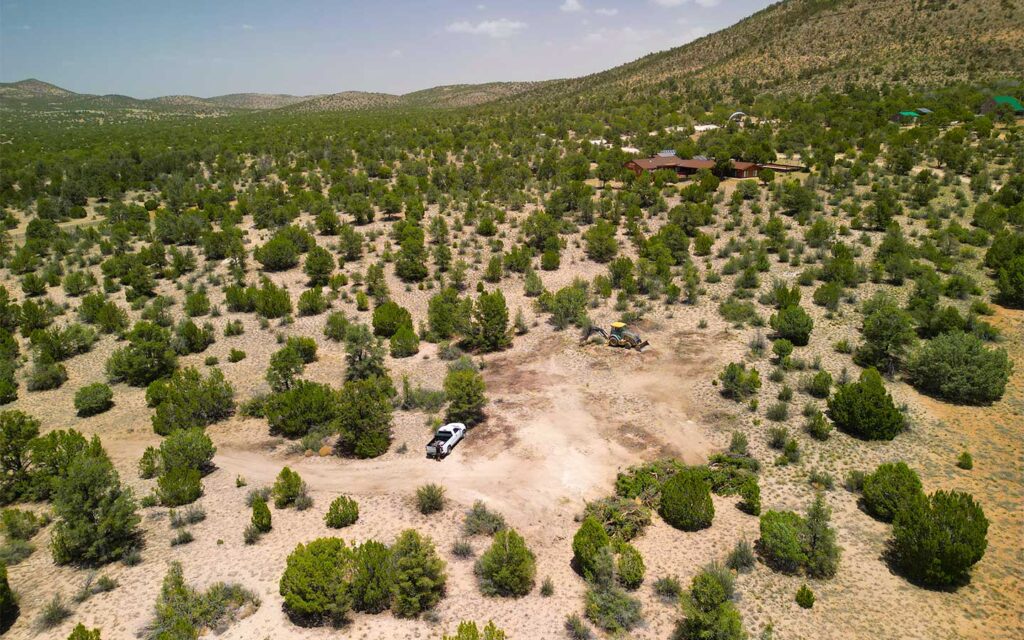
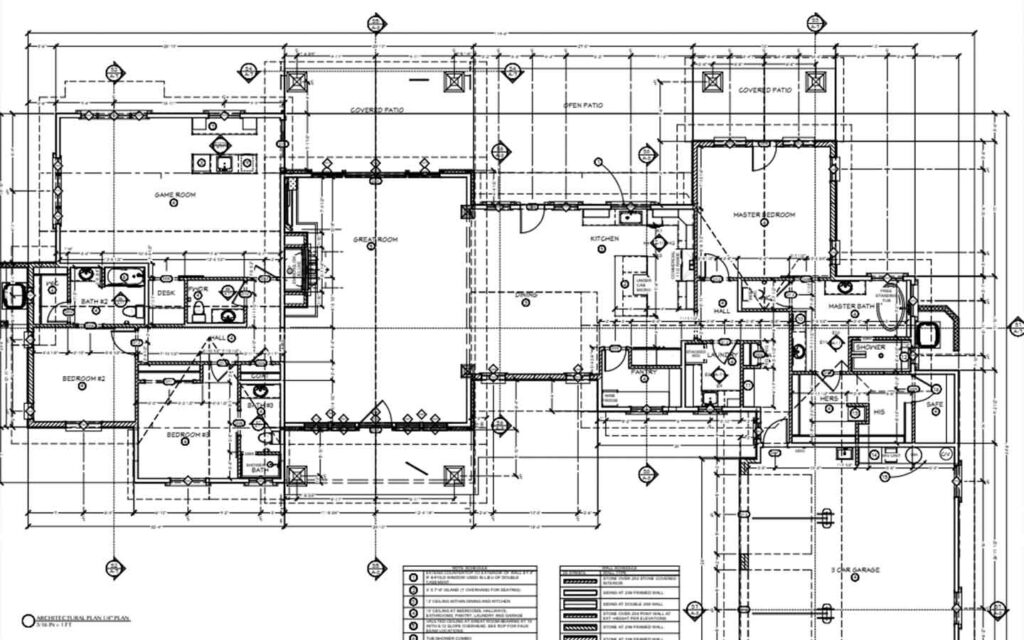
Next, the wish list meets the realities of the site and the climate. Floor plans are shaped around your day-to-day life and the way the house sits on the ground. Elevations are refined so they reflect your taste and meet community guidelines. And a realistic budget and timeline are drafted, not as a guess but as a working tool.
During this phase, we process HOA and design review submittals; it’s not the most glamorous stage, but it’s where a lot of future headaches are either created or avoided.
Once plans and permits are in hand, construction begins in earnest. Framing rises, the roof goes on, and mechanical systems plumbed into walls and ceilings. This is when you finally start to feel the volume of rooms you’ve only seen on paper or tablet screens.
Day-to-day, you should expect clear communication about what’s happening next, regular site visits and updates, and trades who understand Prescott-specific codes and conditions. Quality checks shouldn’t be a one-time event at the end; they should be built into every stage of the work.
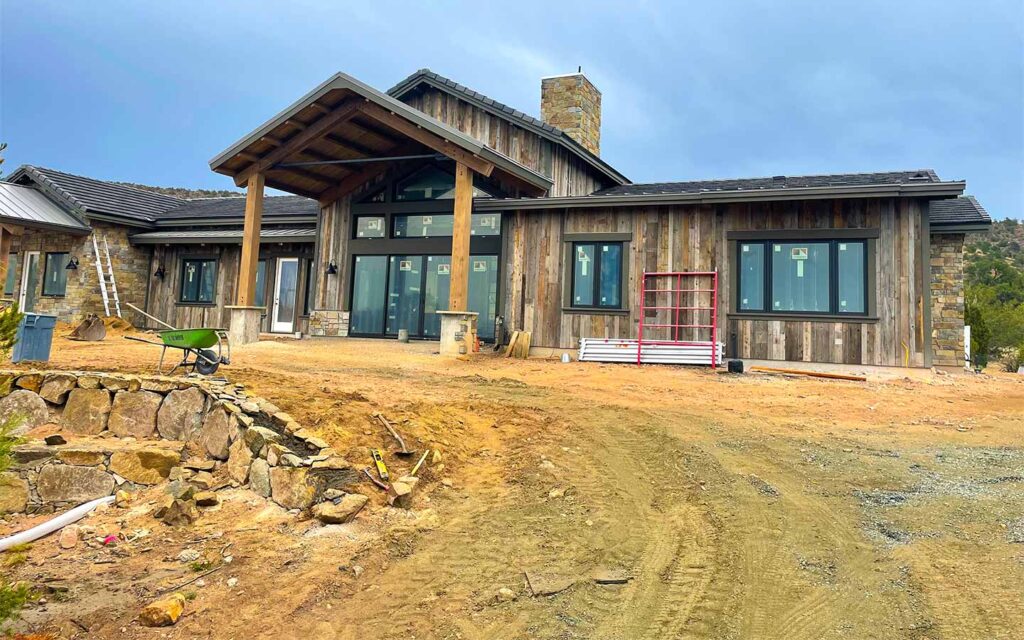
Before you move in, you and your builder walk the home together, build a punch list, and make sure everything is working as it should; ideally, that isn’t the last time you talk.
As you live in the home and move through different seasons, new questions will come up. It helps to work with a Prescott custom home builder who expects that and stays in the picture as a long-term resource for vital maintenance and long-term home care.
Discovery is where everything starts; your builder learns how you live, who’s in the home, and what “home” means in this season of your life. Then we walk the lot together.
It’s not just a tape-measure exercise. You’re feeling the wind, watching how sun and shade move across the property, and noticing where Granite Mountain or the golf course shows up in your peripheral vision and overally skyline. Early ideas about floor plan, driveway alignment, and outdoor living usually start here.
Next, the wish list meets the realities of the site and the climate. Floor plans are shaped around your day-to-day life and the way the house sits on the ground. Elevations are refined so they reflect your taste and meet community guidelines. And a realistic budget and timeline are drafted, not as a guess but as a working tool.
During this phase, we process HOA and design review submittals; it’s not the most glamorous stage, but it’s where a lot of future headaches are either created or avoided.
Once plans and permits are in hand, construction begins in earnest. Framing rises, the roof goes on, and mechanical systems plumbed into walls and ceilings. This is when you finally start to feel the volume of rooms you’ve only seen on paper or tablet screens.
Day-to-day, you should expect clear communication about what’s happening next, regular site visits and updates, and trades who understand Prescott-specific codes and conditions. Quality checks shouldn’t be a one-time event at the end; they should be built into every stage of the work.
Before you move in, you and your builder walk the home together, build a punch list, and make sure everything is working as it should; ideally, that isn’t the last time you talk.
As you live in the home and move through different seasons, new questions will come up. It helps to work with a Prescott custom home builder who expects that and stays in the picture as a long-term resource for vital maintenance and long-term home care.
When you’re interviewing builders, it’s tempting to focus almost entirely on price and timeline. Those matter, of course, but a few other questions can tell you a lot more about what it will be like to work together.
You should ask how many Prescott custom homes they’ve built and in which communities, and how they design for local climate and topography, not just for “Arizona” in general. It’s also fair to ask what communication looks like during construction, who you’ll actually be talking to day-to-day, and how they handle changes or surprises once work is underway.
Finally, ask to see examples of their work in communities similar to yours. Pay attention not only to the portfolio, but to how they talk about past projects and challenges. You’re looking for honesty as much as confidence.
A few patterns show up again and again when people plan their first custom home in the Prescott area.
One common mistake is falling in love with a plan before understanding the site. A beautiful design on the wrong lot can turn into an expensive compromise. Another mistake is underestimating the impact of HOAs and design review. Guidelines are more than red tape; they shape what is and isn’t possible.
It’s common and easy to design without thinking about how you’ll age in the home. Prescott is often a “forever home” location, so it’s worth asking whether your future self will still enjoy climbing stairs or navigating tight spaces. And finally, some people choose a builder who doesn’t really know the area; local trades, weather patterns, and permitting processes are not generic but very specific, and they matter.
Avoiding these missteps early can save money, time, and a lot of stress later on.
Research has its place; reading guides, saving inspiration photos, and driving through neighborhoods are all helpful. At some point, though, the next right step is to talk with a local builder who knows the ground you’re building on.
You’re probably ready for that step if you either own land or are seriously considering a specific lot, have a rough budget range in mind, and have at least a loose sense of style and how you want to live in the home. You don’t need perfect clarity; you just need enough to have an honest conversation.
Visit our Prescott Custom Homes page for more detail about our process in Talking Rock Ranch, American Ranch, and other Prescott-area communities, and includes a simple way to start that conversation when you’re ready.
If Prescott feels like the right place for your next chapter—and you’re starting to picture what life could look like in a home that’s built around you—it might be time to move from scrolling to planning.
Walk your land. Collect your questions. Then reach out to Hughes Building Company, the Prescott custom home builder who understands both the art and the engineering behind building in this landscape.
You don’t have to have everything figured out. You just have to be ready to talk about what “home” means for you in Prescott. From there, the rest can be built step by step.
When should I start talking to a Prescott custom home builder?
Sooner than most people think. As soon as you’re serious about Prescott and have a general budget range in mind, it’s worth talking to a builder—even if you don’t own land yet. A good local builder can help you evaluate potential lots, identify red flags, and keep you from falling in love with a property that will be unnecessarily expensive or difficult to build on.
Do I need to live in Prescott while my custom home is being built?
No. Many of our clients live out of town during construction. What matters more is communication. Ask how your builder handles photo updates, video calls, and site meetings when you’re not local. A clear rhythm for updates makes the process much less stressful if you’re building your Prescott custom home from a distance.
Is it better to pick a lot first or design first?
In Prescott, it’s usually smarter to pick the lot first. The topography, views, access, and utilities can all affect what kind of home makes sense. Once the land is locked in, you and your builder can shape the design around that specific site instead of trying to force a pre-designed plan to fit.
What’s the best season to start a custom home project in Prescott?
There isn’t a single “perfect” season. Design and permitting can start any time of year. However, it can be helpful to begin design and approvals before the heaviest winter or monsoon weather so major site work and foundation work land in more predictable conditions. Your builder can walk you through the best timing for your specific lot.
When you’re interviewing builders, it’s tempting to focus almost entirely on price and timeline. Those matter, of course, but a few other questions can tell you a lot more about what it will be like to work together.
You should ask how many Prescott custom homes they’ve built and in which communities, and how they design for local climate and topography, not just for “Arizona” in general. It’s also fair to ask what communication looks like during construction, who you’ll actually be talking to day-to-day, and how they handle changes or surprises once work is underway.
Finally, ask to see examples of their work in communities similar to yours. Pay attention not only to the portfolio, but to how they talk about past projects and challenges. You’re looking for honesty as much as confidence.
A few patterns show up again and again when people plan their first custom home in the Prescott area.
One common mistake is falling in love with a plan before understanding the site. A beautiful design on the wrong lot can turn into an expensive compromise. Another mistake is underestimating the impact of HOAs and design review. Guidelines are more than red tape; they shape what is and isn’t possible.
It’s common and easy to design without thinking about how you’ll age in the home. Prescott is often a “forever home” location, so it’s worth asking whether your future self will still enjoy climbing stairs or navigating tight spaces. And finally, some people choose a builder who doesn’t really know the area; local trades, weather patterns, and permitting processes are not generic but very specific, and they matter.
Avoiding these missteps early can save money, time, and a lot of stress later on.
Research has its place; reading guides, saving inspiration photos, and driving through neighborhoods are all helpful. At some point, though, the next right step is to talk with a local builder who knows the ground you’re building on.
You’re probably ready for that step if you either own land or are seriously considering a specific lot, have a rough budget range in mind, and have at least a loose sense of style and how you want to live in the home. You don’t need perfect clarity; you just need enough to have an honest conversation.
Visit our Prescott Custom Homes page for more detail about our process in Talking Rock Ranch, American Ranch, and other Prescott-area communities, and includes a simple way to start that conversation when you’re ready.
If Prescott feels like the right place for your next chapter—and you’re starting to picture what life could look like in a home that’s built around you—it might be time to move from scrolling to planning.
Walk your land. Collect your questions. Then reach out to Hughes Building Company, the Prescott custom home builder who understands both the art and the engineering behind building in this landscape.
You don’t have to have everything figured out. You just have to be ready to talk about what “home” means for you in Prescott. From there, the rest can be built step by step.
When should I start talking to a Prescott custom home builder?
Sooner than most people think. As soon as you’re serious about Prescott and have a general budget range in mind, it’s worth talking to a builder—even if you don’t own land yet. A good local builder can help you evaluate potential lots, identify red flags, and keep you from falling in love with a property that will be unnecessarily expensive or difficult to build on.
Do I need to live in Prescott while my custom home is being built?
No. Many of our clients live out of town during construction. What matters more is communication. Ask how your builder handles photo updates, video calls, and site meetings when you’re not local. A clear rhythm for updates makes the process much less stressful if you’re building your Prescott custom home from a distance.
Is it better to pick a lot first or design first?
In Prescott, it’s usually smarter to pick the lot first. The topography, views, access, and utilities can all affect what kind of home makes sense. Once the land is locked in, you and your builder can shape the design around that specific site instead of trying to force a pre-designed plan to fit.
What’s the best season to start a custom home project in Prescott?
There isn’t a single “perfect” season. Design and permitting can start any time of year. However, it can be helpful to begin design and approvals before the heaviest winter or monsoon weather so major site work and foundation work land in more predictable conditions. Your builder can walk you through the best timing for your specific lot.
